
What are the signs that my basement walls have water damage?
Look for stains or tide marks, bubbling or peeling paint, white powder on masonry, a musty smell, warped baseboards and drywall that feels soft or cold. Any one of these means moisture is reaching the wall. Hidden dampness behind finishes is common, so a meter reading beats guessing.
Fully licensed and insured
Open 24 hours, 7 days
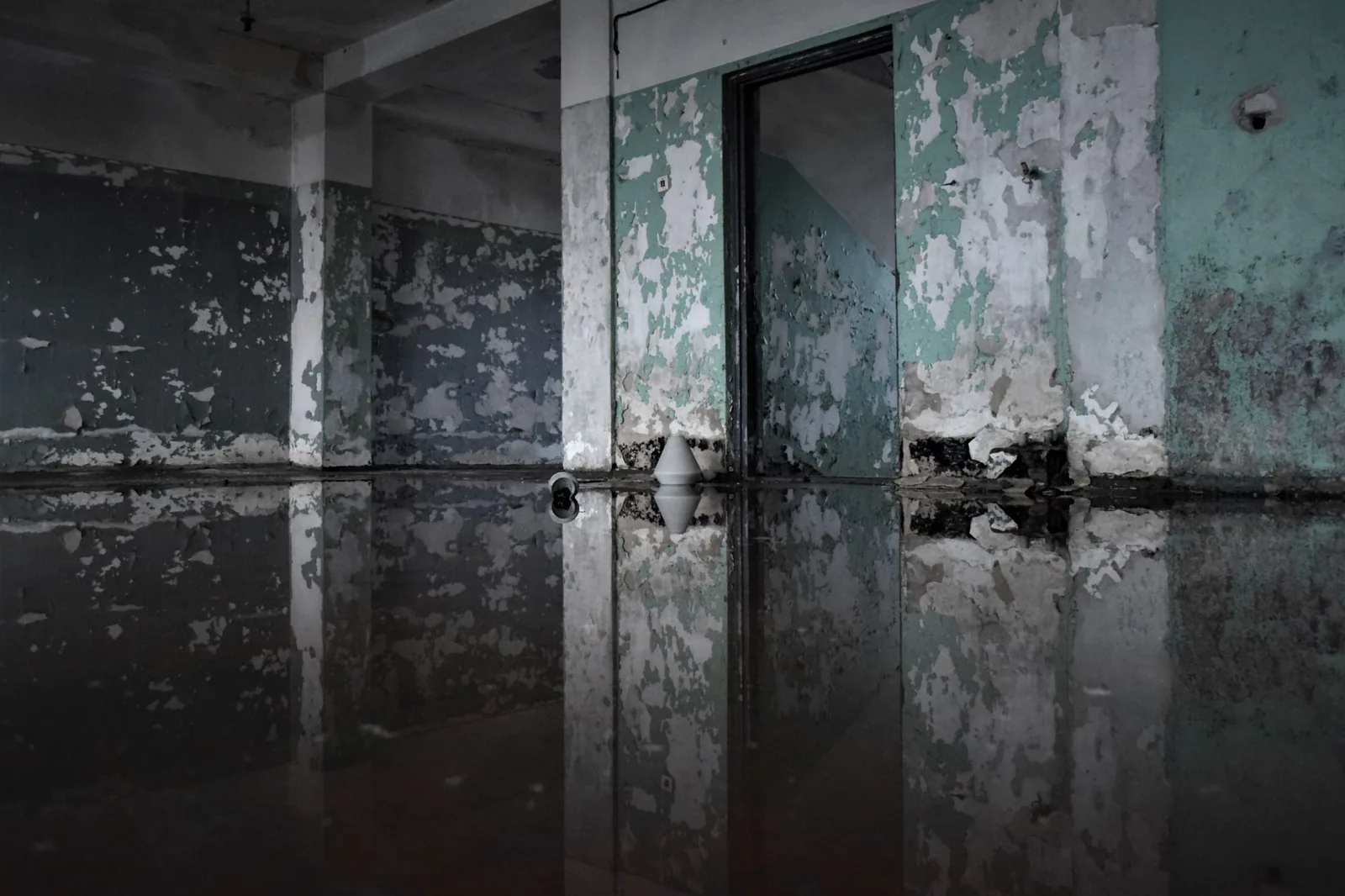
What to look for on basement walls
- Brown, yellow or grey stains and tide lines, often low on the wall
- Paint that bubbles, flakes or peels away from the surface
- White, chalky powder on concrete or block, called efflorescence
- Drywall that feels soft, crumbles or has swollen seams
- Baseboards that lift, warp or pull from the wall
- A musty or earthy smell, especially after rain
- Dark spots that may be mould growing on paper facing or framing
What the signs tell you
A stain with a hard edge usually marks a past event. A stain that is darker after rain, or that feels cool and damp, suggests moisture is still arriving. Efflorescence shows that water has passed through masonry and left minerals on the surface, which means the wall has been wet even if it looks dry today.
Soft or swollen drywall is a stronger warning. Gypsum board loses strength when it stays wet, and paper facing feeds mould. Insulation behind it holds water against the framing and keeps it wet long after the surface has dried.
Why you cannot judge by eye
Finished basements hide most of the wall. Water can move behind drywall and polyethylene, collect at the bottom plate and never show a stain. Moisture meters and thermal imaging find those pockets without cutting every wall open. A crew then removes only what cannot be dried and dries the rest.
Our wet basement service begins with exactly this kind of survey, and our basement flood cleanup takes over when a larger volume of water has reached the room.
Smell, temperature and touch
Your senses give early clues. A musty, earthy smell that gets stronger after rain suggests hidden moisture. A wall that feels colder than its neighbours may be wet or lacking insulation. Pressing gently on drywall near the floor tells you if it has gone soft.
None of these confirms the cause, but each is a reason to get a measured assessment rather than wait for a visible stain.
What to do next
Photograph the marks and note when they appear, particularly after storms or snowmelt. Keep stored items off the floor and run a dehumidifier while you arrange an assessment. Do not paint over stains or seal the wall, because that traps the moisture. The assessment is free, and a written scope and price come before any work starts.
Related questions
Are white deposits on my basement wall mould?
Usually not. Efflorescence is a mineral residue and it is a sign of moisture, not growth. Mould tends to be fuzzy or spotted and often smells.
Can I just paint over the stain?
Paint hides the stain but not the moisture, and it will usually blister again.
Does a damp wall always mean a flood?
No. Seepage, condensation and a slow leak all damage walls, and all are worth checking.
Request a quote
Tell us what you need and we will get back to you. In a hurry? Calling is fastest.
Marks on your basement walls?
Call now and we will check how far the moisture has reached.
Call now (416) 272-3881